← All guidesHow to choose solar lights
Updated October 2026
A solar light is a small system in one body: a panel, a battery and an LED. Most disappointing lights fail on one of three points: not bright enough for the job, a battery that is too small, or a panel that cannot refill it.
1. Brightness in lumens
Judge brightness by lumens, not by the watts printed on the box. Rough starting points: garden and path lights need little, street and flood lights need far more. Check that the lumens figure is the real output and not the peak of a short boost mode.
2. Battery size and nights of light
- Choose a battery that gives light for two or three nights after a cloudy day.
- LiFePO4 cells last longer than older types and handle heat better.
- Motion-dimming lights stretch the battery by running dim until someone passes.
3. Panel size and placement
- A bigger panel refills the battery faster on short winter days.
- The panel needs full sun for most of the day and no shade from walls or trees.
- Models with a separate panel can sit in the sun while the light sits in the shade.
Which type for which job
- Street lights: one body on a pole, long runtimes and dimming.
- Flood lights: security and yards, usually with a motion sensor.
- Garden and string lights: decorative, low brightness.
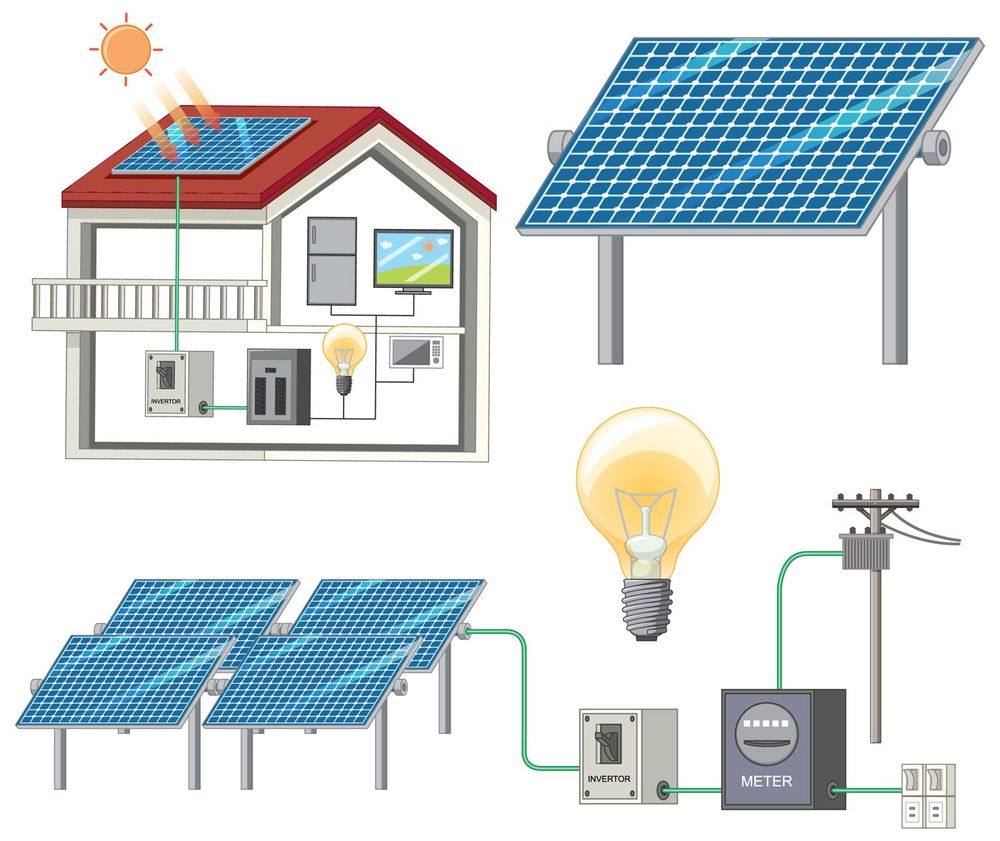
- Home kits: a panel with a few bulbs, good where there is no wiring.
Next step: see solar lights and other parts, or size a larger system with the calculator.
Estimates for planning only. Have a qualified installer check local codes, wiring and safety before you buy or build.